How Much Does Professional Video Production Cost?
Professional video investment is determined by the ambition of the idea, the production conditions required to realize it, and the size of the asset system it must support. The most useful conversation is not “What does a video cost?” It is “What does this business moment need to accomplish, and what level of production will make that credible?"



- Frame video investment around the business moment, not a flat production price.
- Understand the creative, production, and post-production choices that shape scope.
- Plan for the complete asset system, not only the hero film.
- Share an informed investment range early enough to protect the strongest version of the idea.
The number only makes sense in context
Senior marketing leaders are rarely evaluating video as an isolated deliverable. They are deciding how much to invest in a launch, a brand evolution, a new category story, a recruiting effort, or a campaign that will be carried across several channels.
That is why a single flat answer to “What does a video cost?” is not especially useful. The better comparison is not between one video and another. It is between the level of production required by the initiative and the level of impact the organization expects the work to create.
A concise product demonstration, a brand film, and a national campaign are all video projects. They are not the same production decision.
Start with the business moment
The most effective budgets are built around the moment that creates the need for the work. A product launch, a major event, an acquisition, a market expansion, a rebrand, or an anniversary can be a Breakthrough Moment. It may justify a larger investment because the work is expected to perform over a longer period, across more audiences, and in more places.
The planning conversation should resolve five variables before a treatment is finalized.
Those answers shape the budget. They also make it possible to choose what deserves premium production and what can be solved with a more efficient format.
What the investment supports
A professional production budget usually combines decisions across strategy, pre-production, production, post-production, and delivery. The categories are familiar to experienced teams, but the planning value comes from how they affect one another.
Strategy and creative development
This is where the organization turns the business objective into an idea people can align around. It can include stakeholder discovery, messaging, concept development, scripting, storyboarding, and the work required to choose the right medium for the message.
Pre-production
Pre-production protects the concept. Casting, locations, production design, schedule, permits, logistics, vendor coordination, and technical planning determine whether the shoot can deliver the intended creative standard within the available time and budget.
Production
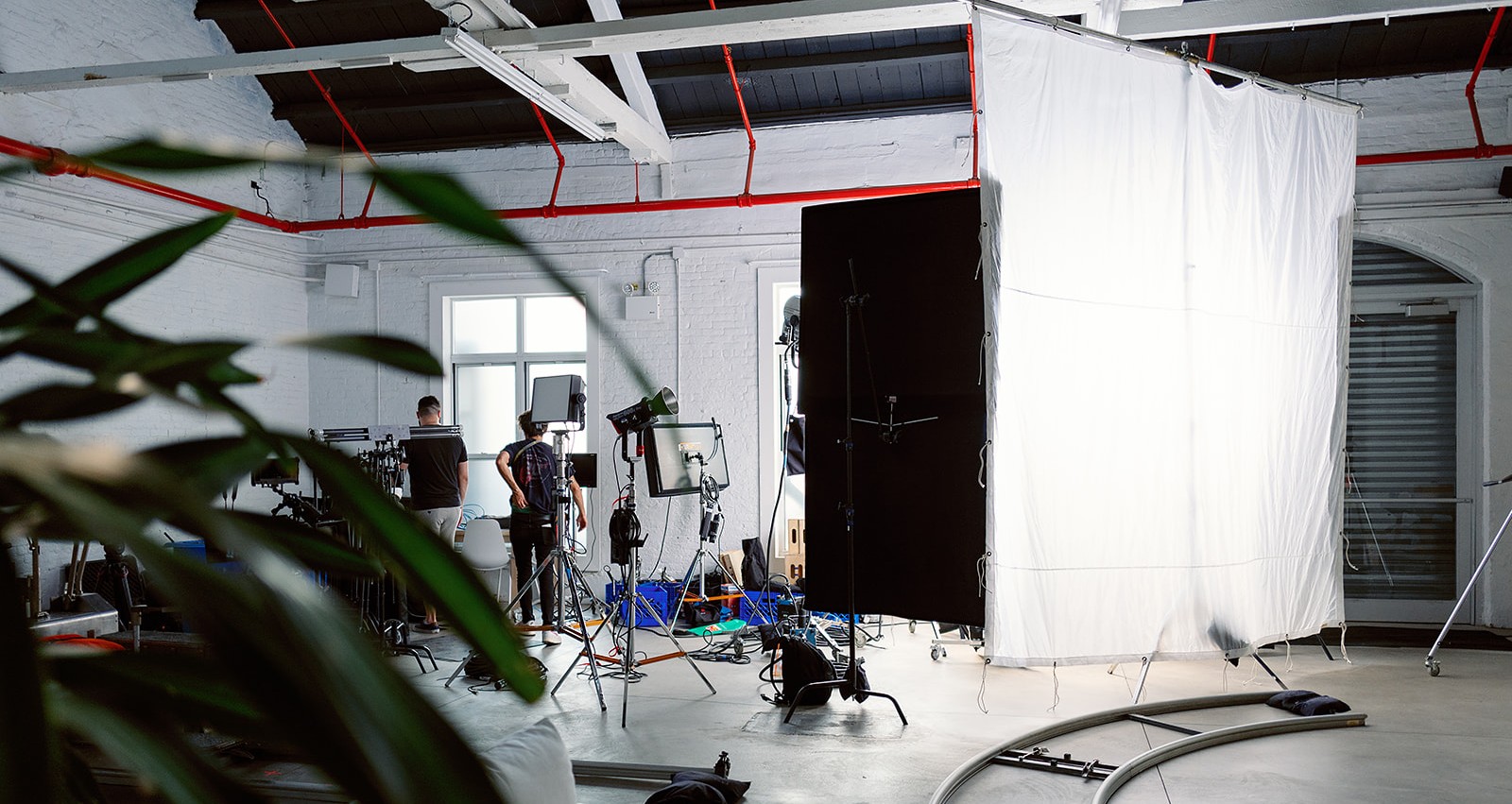
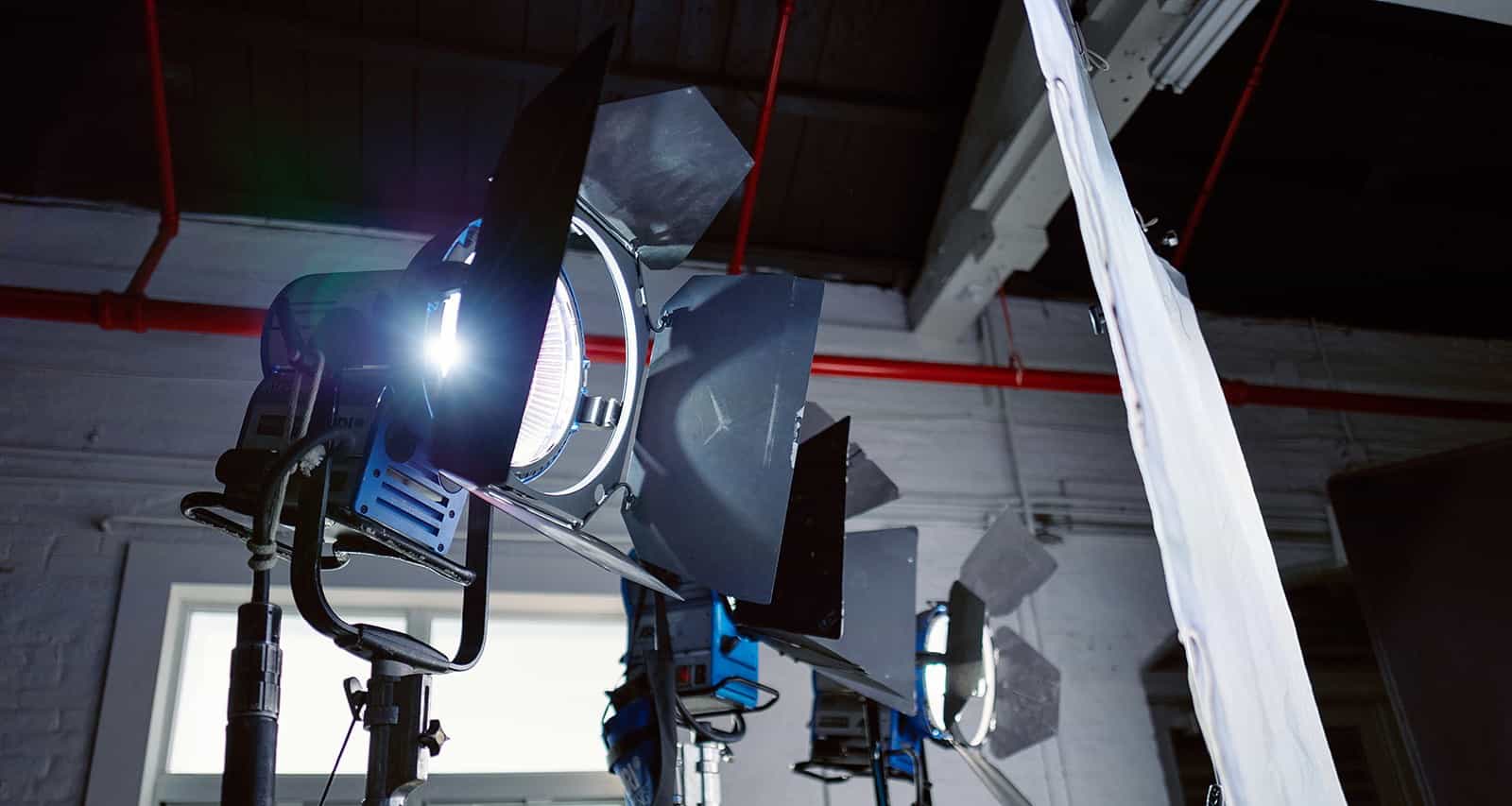
The production day is only one part of the investment, but it is where creative choices become operational realities. The number of days, locations, cast, crews, equipment, lighting, specialty capture, and production design all influence cost. These are not arbitrary line items. They are the practical requirements of the idea.
Post-production and campaign delivery
Editorial, sound, color, animation, music, visual effects, versioning, and quality control are where the campaign becomes usable. Teams should budget for the assets the media, sales, web, and internal plan actually require, not just a hero edit that has to be stretched beyond its intended role.
Planning ranges without planning by price tier
A range can be helpful when a team is creating a budget, but it should not become a substitute for scope. At Union, large-scale commercial campaigns commonly begin around $100,000 when the work requires senior creative direction, premium production, and a true multi-channel campaign system. Other initiatives may require a more focused production approach.
The right question is not whether every project needs national-campaign scale. It is which aspects of the idea require the highest level of craft and which can be addressed through a more efficient production method.
For example, a leadership film may need a tight, documentary-style production and careful editorial. A product launch may need higher production design, more versions, and a more extensive asset system. A hybrid AI approach may be appropriate for visual development, concept testing, or specific assets, while live action remains essential for human credibility or product precision.
The budget should reflect those decisions, not force the campaign into a predetermined production template.
How to get to a useful proposal
The most productive conversations begin with a candid range, but not because the goal is to spend every dollar. It is because a production partner needs to understand the ambition, the organizational constraints, and the value of the moment before recommending a creative approach.
Bring the business context, timeline, audience, required placements, stakeholders, and any early budget guidance. Union can then build a plan that makes the concept achievable, accounts for the asset ecosystem, and protects the parts of the work that matter most.
At The Union Productions, we help teams scope video investments around the outcomes the business expects, not simply around a list of production inputs.
Frequently Asked Questions
Why do two production proposals for a similar video vary so much?
The descriptions may look similar while the responsibilities are not. Differences in strategy, creative development, production design, shoot days, talent, crew, finishing, asset versioning, and the partner’s level of accountability can all materially change the scope.
Can one production investment support several campaigns or teams?
Often, yes, if the asset system is planned early. A single production can provide a hero film, launch assets, shorter paid-media versions, sales content, stills, and internal communications. That requires deliberate planning before the shoot, not simply asking for extra cutdowns at the end.
Should we disclose our budget range before receiving a creative treatment?
A clear range helps the partner design an approach that respects the organization’s investment level from the start. The best partners will use that information to make smart tradeoffs and protect the strongest version of the idea, rather than simply add cost.

Dustin Schultz leads video strategy at Union Productions, a creative video agency based in Connecticut. Dustin has spent more than 15 years working professionally in video and has helped create over $6 million worth of content for notable clients like Cigna, Pfizer, The Hartford, Walgreens, Selective Insurance, & OneDigital to name a few.
Related Articles



Need a strategy-led brand film?
Start with the one idea you want your audience to believe. We'll help you brief it, make it, and measure it.

